The Primary Prevention of Child Sexual Abuse

Important Posts

  • Mission Statement
  • Get The Facts
  • Prevention
  • Get Help!
  • Get Involved!
  • Follow On Twitter
  • Stories
  • Pedophiles About Pedophilia
  • Terms of Use
  • Privacy Policy
Showing posts with label Pedophilia. Show all posts

Wednesday, October 4, 2017

Five Things Sexual Abuse Survivors Must Do Better

So, recently, Stop Abuse Campaign came out with a featured story, titled, "Top Ten Things You Learn by Listening to Survivors." As a survivor, MAP, and advocate, I have some issues with some of what they share, but I found this particular story informative. It helps me to hear the stories and perspectives of survivors I have never met, because I am an introvert and the support group I attended for many years was a rather small one. This limited my exposure to other survivors, and these days, the most interaction I have with other survivors is through my advocacy.


I Am A Survivor

In case you did not know, I myself am a sexual abuse survivor. I do not talk about it much, because it is not the abuse itself that has affected me overmuch, it was my struggle to find resources for coping with my pedophilia that affected me more. The abuse tweaked my beliefs more than it traumatized me. So, I think what I say here has validity to survivor concerns, as well as ending sexual abuse.

Thing Number One: Learn The Facts And Cite Them Properly

The first thing that abuse survivors who advocate seem to have an issue with is letting the facts speak for themselves, as well as stating something as fact and then failing to cite the source for it somewhere in their material, or in a visible enough location that anyone can find it. Sometimes, survivor advocates push policies that have no basis in fact. Other times, they cherry-pick the statistics they cite.

Sometimes, bad information is to blame, and organizations cite the source properly, but the source turns out to be a bad apple or outdated. In example, for years, Gene Abel was treated as the end-all solution to issues related to pedophilia, and much of his "research" was cited on many sites. To this day, his "research" is cited on Darkness to Light's statistics page in saying that, "Pedophilic offenders often start offending at an early age, and often have a large number of victims (frequently not family members)". We now know that Gene Abel was full of garbage, and he has an entire Wikipedia page almost entirely on how he is a quack.

Other times, popularity takes a role: Sex offender policies have been particularly popular with the public, and so they get pushed more frequently because they have public support, even though there is an utter lack of research supporting the effectiveness of sex offender policies (feel free to do your own homework: "effectiveness of sex offender registration" and "effectiveness of Megan's Law" should help get you started).

Thing Number Two: Include More Perspectives Besides Survivors

The fact that I am a MAP in addition to being a survivor colors how I look at preventing sexual abuse. Sometimes, the voices in academia are ignored because they use complicated language and propose ideas that are downright unsettling. However, these are people who have dedicated their lives to figuring out why sex crimes happen so that they can be prevented. It is also important to have voices from the academic world coloring our perspective, because they see the data and trends firsthand and can give us practical solutions we might not otherwise consider.

I know many stories of people who wrestled with pedophilia, and ended up hurting a child because they did not have resources available to them. While that is no excuse, it means that referring to abusers as pedophiles actually hurts prevention efforts by giving pedophiles the idea that they will inevitably hurt a child (an idea that can not only be severely damaging, but turn into self-fulfilling prophecy).

Survivors also push for harsher sentencing, despite overwhelming evidence that sex offenders eventually make their way back into our communities, and mostly never commit another crime. The harder we make it to get back into the community, the easier we make it for them to commit another crime because we give them more reasons to give up on a fulfilling life. While it may be difficult for survivors to imagine seeing the perspective of an ex-offender, I think it is necessary because it gives us a face-to-face look at what we can do with the policies we push for.

Thing Number Three: Realize Not All Abused Children React The Same Way

This is basic, but each survivor is different. Just because another survivor has a differing view of their abuse, and abuse as a whole, does not make that view less legitimate. Just because someone's abuse seemed less bad than your own or someone else's does not mean that their abuse did not affect them. We should give each other space to hold our own views, and give each other the space to share - or not share - how abuse has affected us.

As survivors, we must also avoid perpetuating the myth that most victims go on to abuse children, because that is not what the facts say. The research is very clear: Around 50-60% of abusers claim to have been abused, and studies that use polygraph find that only 30-40% of sexual abusers have been sexually abused. We would expect a much higher rate, and more abusers for each victim, if most victims go on to abuse children. Instead, we find that there are more victims for each abuser.

Thing Number Four: Pedophilia Is Not Abuse, Pedophiles Are Not Abusers

This may be a nuance distinction for some, but pedophilia is best understood as a sexual attraction to children. It is not synonymous with sexual abuse. Multiple sources attest to this: James Cantor, Elizabeth Letourneau, Michael Seto, and Ian McPhail are just a few of the many researchers that recommend against conflating a sexual attraction with sexual abuse. Likewise, a pedophile is someone with a sexual attraction to children, which has no bearing on whether someone will harm a child. One-third of sexual abusers have pedophilia, the majority do not have pedophilia.

This wades close to the uncomfortable topic of what motivates sexual abuse, but it is not sexual attraction or sexual pleasure in most cases. In most cases, sexual abuse is motivated by unmet mental health needs in someone who does not have an adequate support system. These unmet needs vary greatly, from having pedophilia and not having the adequate support to face that, to juveniles who have been abused and are acting their abuse out on a younger child.

If we ignore the motivations of abuse - and yes they are uncomfortable to pay attention to, and no they do not justify sexual abuse in any form - then we can enable abuse to occur by driving people towards the very things that motivate sexual abuse and other crimes. By inferring that someone with a sexual attraction to children is doomed to abuse them, we put them in a worse psychological state that can fuel the very thing we want to avoid: The abuse of a child. As someone who was damaged by that inference, I believe we must end the myth that abusers are pedophiles and pedophiles are abusers.

Thing Number Five: ACE Scores Are Not Just For Victims

Yes, you read that correctly. There has been much discussion in survivor and prevention circles around the impact of ACEs, or Adverse Childhood Experiences as it pertains to their frequency in the general public, and the severe harm they can inflict on people. However, what we have been ignoring is just how much ACE scores also correlate to crime. Recently, Jill Levenson and several of her colleagues have been looking at sex offenders and general offenders who have ACEs.

Their findings firmly establish that we must focus prevention differently. As you view the chart below, bear in mind that the PINK line is the original ACE study, the GRAY line is adult sex offenders, the ORANGE is juvenile sex offenders, and the BLUE is juvenile offenders of any kind.

In other words, while generally many people have no or only one ACE and that goes down as you increase the ACE score, the opposite is true for adult sex offenders, juvenile sex offenders, and juvenile offenders in general. Their research shows that 97% of sex offenders have at least one ACE in their background, and many of them have four or more ACEs.

What this means is not only that sexual abuse must end, but that the key to ending sexual abuse is by caring for youth with ACEs with trauma-informed care, mentoring programs, and community engagement. We must reach them with the resources they need to overcome the trials they faced in childhood, and help them. This is primary prevention at work. While ACEs are a fascinating subject, there is much to be learned about them and their impact on difficult issues like sexual abuse.

We Must Improve So That Sexual Abuse Can End

Humanity has done some of its greatest work when we collaborate, network, and work with other human beings of differing perspectives. The issue of child sexual abuse is not simple, and some abuse is indeed (as much as we hate to admit this) inevitable.

However, if we can put our heads together - the civil rights advocates that state that sex offenders are people too, the abuse survivors who were directly affected by sex crimes, the people who have a sexual attraction to children and want help instead of judgment, the researchers who study sex crimes and policies that might end them, and the policymakers themselves who can guide working policies...

If we can all come together, look at this issue, and see all of these perspectives and come up with ideas for ending sexual abuse, then we stand a much better chance at making real change happen. As it is, we are bickering among ourselves about who has the best method, and children are paying the price for it. I think we need to stop bickering and put our heads together.
Posted by TNF 13 at 6:55:00 PM No comments:
Email ThisBlogThis!Share to XShare to FacebookShare to Pinterest
Labels: Adverse Childhood Experiences, facts, improvement, Pedophiles, Pedophilia, perspective, reaction, Sex abuse survivor, Sex assault survivor

Monday, September 18, 2017

Negativity Towards Pedophiles: A Pedophile's Response to Craig Harper and Ross Bartels

A Nice Source

A recent post on nextgenforensic, a blog full of articles from researchers and practitioners about sex offense theory, research, and practice, has me thinking hard about the issue of how we change people's beliefs about pedophiles and pedophilia.

Wait. Why Change Negativity Towards Pedophiles?

You see, the average person thinks that a "pedophile" is someone who molests children, and "pedophilia" is synonymous with child sexual abuse. However, when a researcher, pedophile, or advocate hears these words, we know that "pedophile" usually refers to someone who is sexually attracted to children, and "pedophilia" refers to that attraction. There are further distinctions, but I think that is as far as most people are willing to go.

So we have a nice little hangup between what people familiar with these terms mean to them, and how everyone else understands these terms. Everyone else understands them to refer to behavior and those who have acted in a horrific and heinous way towards a child, where those familiar with the terms know them to refer only to feelings and those with said feelings. Some researchers differentiate between offending and non-offending pedophiles to subtly point to that difference.

The introduction of Harper and Bartels' article paints a very good picture of why child sexual abuse and pedophilia, as well as child rapists and pedophiles, are two very different things from one another, yet still related.

How To Change Someone's Mind

Harper and Bartels point out recent research that points to the idea that minds are not changed based on fact, they are changed when they hear stories of people. They did their own study on how that applies to the stigma against pedophles and pedophilia, and their study found much the same thing: In order to make a bigger dent in changing someone's attitudes towards pedophilia, it is better to tell a short narrative than it is to present facts.

In Short, Tell The Media Stories

They conclude that the mainstream media should use first-person narratives to help prevention ideas be more effective. They want the mainstream media to tell the stories of pedophiles who are non-offending and wish to remain so. Two outlets have done so in recent memory: Salon (who subsequently pulled their articles about Todd Nickerson) and the BBC. There was also a bit of a blurb from a guy in Oregon who started ASAP International, but his story had a very fierce reaction to it for a variety of reasons. Namely, there had been accusations years prior from an adopted daughter that the man sexually abused her. The police never filed charges, but it was enough to get people to dismiss his story, unlike Todd Nickerson, who just sparked a lot of conversation all across the internet (I covered Gary Gibson and Todd Nickerson here).

This Begs The Question...

Most, if not all local news outlets, do not cover first-person stories like this unless someone is willing to have their real name in print. Given the amount of negativity that exists towards pedophiles and the very real danger of losing housing, jobs, and relationships, this is not an option for most pedophiles. This same dilemma is the one facing sex offenders who wish to speak out against registration because of its lack of efficacy, but cannot afford to lose what they have built back from having their name dragged into the mud from their actions.

Stories Are Limited

I think that stories are a wonderful medium for attracting discussion and ideas. However, stories are very limited: Only those interested in the story will take the time to read or listen to it. Unless we are exposing large groups of people to these stories, without telling them that they will be, stories will only have an impact on those willing to hear them.

I suggest we come up with other options to test during future research into changing the negativity towards pedophilia. Most people think they already know what a pedophile is: A child molester. I suspect changing that will be similar to changing the myth of stranger danger. So why not apply the same principles?
Posted by TNF 13 at 7:24:00 PM No comments:
Email ThisBlogThis!Share to XShare to FacebookShare to Pinterest
Labels: Pedophilia, stigma, stories

Thursday, June 22, 2017

News Outlets That Conflate Sexual Abuse And Sexual Attraction

Why Is This An Issue?

As you have heard me illustrate many times, terminology matters to preventing child sexual abuse. Using "sex offender" instead of "sexual abuser" gives the impression that those who abuse have been caught before, that the biggest risk is from recidivists. However, the reality indicates the opposite: First-time offenders are the biggest risks. In other words, improper terminology spreads myths about child sexual abuse, and myths enable sexual abuse to happen.

Likewise, confusing the sexual attraction to children (similar to heterosexual attraction, but directed towards children in some form) and the horrific sexual abuse of a child gives the wrong impression that child sexual abuse is perpetrated out of sexual pleasure.

It also gives the wrong impression that those with a sexual attraction are a risk, where the facts and logic say otherwise. It places an unfair stigma on a group of people, through no fault of their own, have a sexual attraction to children. This can, in turn, increase child sexual abuse by driving people into corners where poor decisions and mental illness thrive. The results of confusing pedophilia and child sexual abuse, or pedophiles and child rapists, make child sexual abuse harder to prevent.

Minimizing Child Sexual Abuse

As you have heard me say many times, confusing these terms minimizes child sexual abuse. Why is that? Well, it is like referring to stealing as kleptomania, or a brutal murder on a highway as road rage: It is referring to a horrific act as if it is the result of a feeling, rather than as a conscious choice to harm a child, and that sends an unacceptable message.

Stigmatizing Sexuality

Confusing sexual abuse with a sexual attraction to children also places an unfair and frankly slanderous label on those who have never hurt a child in their life. When people use the word "pedophile", it should only be to mean someone with an attraction to children. Otherwise, it places the label of child rapist on those who, according to estimates and statistics, do not rape children. It is just as serious as posting on Facebook that someone is a child rapist: If they are not, it can land the accuser in hot legal water very quickly.

News Outlet List

I think it is high time for a list, given the amount of articles from specific major news sources that confuse terminology around child sexual abuse. This list is current as of June 17, 2017, and was formed through many weeks of viewing news reports with specific keywords flagged: Pedophile and pedophilia. Many more minimize the issue by referring to child sexual exploitation material or sexual abuse images as "child pornography," as if the images are legitimate pornography where the child can consent, is paid, and is actually acting.

Note To Media:
If you would like your organization removed from this list, then please use the contact widget on the right-hand side of this page to request it. Please be aware that you will need to demonstrate at least three months of organization-wide content that refrains from minimizing child sexual abuse by conflating it with a sexual attraction to children and calls sexual abuse and sexual abusers by proper terms. Absent this content, your request will be denied.
  • Associated Press
    • Many times, other news organizations will borrow reports from the Associated Press, so they may not come up directly as "Associated Press" in a news feed, you have to actually read the article.
  • The Australian
  • RT
  • New York Post
  • The Sun
  • Daily Mail
  • CNN
  • The Daily Caller
  • The Barrie Examiner
  • The News Tribune
  • The Times Of Israel
  • Israel News Nation
  • CNBC
  • Collective Evolution
  • The Star Tribune
Posted by TNF 13 at 7:36:00 PM No comments:
Email ThisBlogThis!Share to XShare to FacebookShare to Pinterest
Labels: child rapist, child sexual abuse, Minimizing, News, Pedophile, Pedophilia, sexual abuser

Saturday, June 17, 2017

Why The Statistic Matters: Part One, Pedophilia

All the time, you hear statistics about a great number of things. You see them frequently here, on the blog. But you do not often see the practical application of them, and it is up to you to figure out the point of the statistic in question. Some are obvious, while others are not nearly as obvious.

Because of that, I will do a miniseries on why the statistics cited on this site should matter to you, not only in your everyday life, but why they matter to preventing child sexual abuse.

Statistic 1: Population Of Pedophiles

Current statistics (the DSM-V (the psychiatry Bible) and Michael Seto) put the population of those with pedophilic disorder as mainly being male: 3-5% of adolescent and adult males. This is, of course, an estimate. However, it is telling because pedophilic disorder is not the same thing as pedophilia: The DSM-V differentiates the two. This means that the high estimate of 3-5% of males means that even more have a sexual attraction to children. Why? Because pedophilic disorder is a very specific mental condition in which those with pedophilia, a sexual attraction to prepubescent children, have difficulties like depression, anxiety, and difficulty relating to others. It does not cover those with an attraction to teenagers, which means that the true population figure for those with attractions to children broadly is actually higher than 3-5% of males. That is about to matter even more because of statistic number two...

Statistic 2: Proportion Of Those Who Sexually Abused Children Who Have Pedophilia

The second statistic is well-known by researchers and therapists working with forensic and non-forensic populations of pedophiles: One-third of those who sexually abused children have pedophilia. Yes, one-third. This tells us a great deal of information about child sexual abuse: Mainly, that it is not about getting sexual pleasure from a child. You see, if the population of those with pedophilic disorder is an estimate and a low one, but the proportion of abusers with pedophilia is proportionately higher than that estimate (6-15 times higher). This means there is something associated with the attraction that drives the motivating factors that fuel the decision to abuse a child.

Statistic 3: Most Who Have Pedophilic Disorder Do Not Abuse Children

If you were to read through the section on pedophilic disorder in the DSM-V, you see a rather bleak picture of a person tortured by their attractions to children. When you get to the differential diagnosis section, you see that pedophilic disorder can correlate to alcohol and substance abuse, obsessive-compulsive disorder, and even antisocial personality disorder. When you get to comorbidity, you see that pedophilic disorder is correlated to depression, bipolar, and anxiety disorders... while they also note that these observations are only among forensic populations of those with pedophilic disorder, meaning that more study is needed in this area.

You have heard me state on this blog before: Given our best estimates without trying to compensate for underreporting, 3-5.2% of pedophiles molest children, and after accounting for that, 4.8-9.36% molest children. In other words, our best guess is that 90.64-97% of pedophiles do not molest children. This is obviously significant, because it means that a sexual attraction to children does not appear to frequently correlate with sexual abuse. It also means that what I just outlined from the DSM-V about the bleak lives of someone with a sexual attraction to children... only comes from looking at 3-10% of those with such an attraction. In other words, a lot of our information is missing about pedophilia, sexual attraction to children in general, and most importantly, it is not reasonable to correlate pedophiles with child molestation. It means that a sexual attraction to children is more common than child sexual abuse. This is frankly huge, not only for those who study pedophiles and pedophilia, but also for child sexual abuse prevention.

Statistic 4: Those Viewing Sexual Abuse Images More Often Have Pedophilia...

To be precise, 61% of those convicted of possessing child sexual exploitation material have pedophilia. What this means is that pedophiles are trying to satisfy their sexual needs with sexual material of children. This begs the question, given recent discussion around art, virtual reality, and 3-D images involving children, of whether researchers are wrong to assume that such virtual imagery serves as a gateway for a hands-on offense involving a child. If more pedophiles view sexual imagery involving real children, could that number be reduced if virtual imagery involving children were more available, and legal? Could this virtual imagery be not only a better outlet than imagery involving real children, but reduce the number of sexual abuse cases? More study is clearly needed in this area to test correlation.

Enough Statistics: What Is The Point?

The point to overviewing just these three statistics and why they matter is not merely an academic exercise: It has real implications for preventing child sexual abuse. It suggests that stigmatizing a sexual attraction to children and viewing it as a risk factor for sexually harming children is not going to be helpful to preventing child sexual abuse, because a sexual attraction to children is less often a risk factor for a hands-on sexual abuse case and more often a risk factor for viewing sexual abuse images. While viewing images of children being sexually abused is indeed harmful to the children involved, the creation of virtual images is not because real children are not involved.

These statistics also very clearly indicate that we have barely scratched the surface of knowing pedophilia and sexual attraction to children: It means more study is sorely needed in a variety of ways to uncover that knowledge. It means we should look at what happens when you give those with a sexual attraction to children support instead of an automatic and clearly incorrect label of child molester, as Prevention Project Dunkelfeld is doing in Germany. It is obvious to anyone working in these areas... they need money to do this research, and the number of people willing to put money towards this research is limited.

Bottom Line

Conflating a sexual attraction to children, which we barely know much about, with the sexual abuse of a child spreads incorrect myths that hamper our ability to prevent sexual abuse and interfere with the ability of those with an attraction to children to seek support and seek peers who face the same attraction. Mixing up the sexual attraction to children, with the sexual abuse of a child, is unwarranted, inaccurate, and only serves to enable child sexual abuse by driving both issues further into darkness and secrecy, where sexual abuse thrives.
Posted by TNF 13 at 8:04:00 PM No comments:
Email ThisBlogThis!Share to XShare to FacebookShare to Pinterest
Labels: child sexual abuse, Pedophile, Pedophilia, Primary Prevention, Statistics

Sunday, April 30, 2017

New York Post Article About Pedophiles

So, last week, I had an article from a columnist in the New York Post come up in my news feed. I usually dismiss stuff from the New York Post, because it is usually difficult to get in contact with their authors to notify them that pedophilia and child sexual abuse, as well as pedophiles and child rapists, are four separate and distinct ideas. I do this outreach, because conflating the two minimizes child sexual abuse and unfairly stigmatizes pedophilia.

This blog has covered this distinction and why it matters several times, most recently when I was talking about Prevention Project Dunkelfeld. So, I had a brief correspondence with the writer of the article, John Crudele, about why the distinction matters, why child pornography is incorrectly named, and that the distinction can mean less children are sexually abused. The ideas I am presenting are hardly new. They have been covered in the news, by researchers, and by non-offending pedophiles themselves. Even This American Life has tackled this issue.

You can read the full text of what I wrote him (minus the links, sadly). Unfortunately, Mr. Crudele did not completely represent the bulk of the exchange in what he published, but as you can see, I did not ask him to publish it.

I especially enjoyed his threat to report me to the FBI, when I have reached out many times to legislators in Minnesota and law enforcement agencies about the facts around sex offenders, a prosecutor's office out of Long Island about not blaming victims for abuse, and yesterday, the Minnesota Department of Corrections regarding Prevention Project Dunkelfeld. I could be wrong, but I doubt anyone in law enforcement has a big issue with the advocacy that I am doing to prevent child sexual abuse before it can happen.

But there you have it, I was in the New York Post. And Mr. Crudele, if you are paying any attention to this blog post, you may want to better inform yourself about these issues. Myths do not protect children from being sexually abused and exploited, facts do, and the more myths we believe about child sexual abuse and drive it into secrecy, the more we enable child sexual abuse. I think a better situation is where children are not victimized, and pedophiles are not scarred by the idea that they are a ticking time bomb waiting to molest children. We must talk about this if we are to end abuse.

But thank you, Mr. Crudele, for presenting your readers with the ideas that I emailed you about. The more we talk about these issues, the better.
Posted by TNF 13 at 10:07:00 AM No comments:
Email ThisBlogThis!Share to XShare to FacebookShare to Pinterest
Labels: Facebook, John Crudele, New York Post, Pedophile, Pedophilia, Primary Prevention

Saturday, January 28, 2017

Thoughts on Gary Gibson and Todd Nickerson

Who?

Recently, two men have come forward, publicly, and have admitted to having a sexual attraction to young children. Todd Nickerson was admittedly the first pedophile to come forward in such a way that I am aware of. His story was originally aired by Salon, though they have since taken it down. Gary Gibson is the second pedophile to come forward to my knowledge.

Both have come forward to say that they have a sexual attraction to children... and have never harmed a child. Yes, you read that right. They are non-offending pedophiles.

Revolting To Most

While both of these stories are almost certainly revolting to the average person, their stories, and our reactions to them, matter to the prevention of child sexual abuse. Some have dismissed the claims of both men when they say they have never acted on their sexual attraction by sexually abusing a child, and think there is a coverup. Some have accused both of possessing sexual abuse images, commonly referred to as "child pornography".

What most people fail to recognize is that only a third of sexual abusers are pedophilic, which means that the majority of people who sexually abuse children are not attracted to children. Further, when you look at the statistics on the issue (as I have done before), you realize that it is unlikely that the majority of Earth's pedophiles molest children.

Either of these facts may be difficult to accept, but accepting them is important to the prevention of child sexual abuse, because it means that people with a sexual attraction to children, even if they have interpersonal difficulties, depression, or other issues that arise from such an undesirable attraction, are capable of not acting on this attraction by abusing a child.

Preventing Abuse With Facts

I have said numerous times that facts must take priority if children are to be protected from child sexual abuse. That is absolutely true, but why is it true? It is true because there exist adults and children in this world who have been abused by people who, in other circumstances, could have gotten help with what was troubling them before those people were sexually abused.

It is true because there exist adults and children in this world who have been abused by people who could have been spotted by concerned citizens and spoken with before the abuse occurred. We cannot prevent abuse if we do not know who abuses children and why. That may be difficult knowledge to accept, but the sooner we accept it, the sooner children can be spared the pain of trusting someone who sexually assaults them.

My thoughts on Nickerson and Gibson are wholeheartedly in support of their message: Pedophiles are people, people who have usually not sexually abused a child, who deserve the same support as someone wrestling with any other issue under the sun.

While I do not have access to their thoughts to know if they speak the truth in saying they have never abused a child, that does not matter. What matters is that people who might be at-risk for sexually abusing a child - be that a pedophile who thinks they are a monster or anyone else - get help before a child is hurt, not after. Both men carry that message and aim to be an inspiration to other pedophiles so that they do not harm children. That, at least, needs applauding.
Posted by TNF 13 at 8:05:00 PM No comments:
Email ThisBlogThis!Share to XShare to FacebookShare to Pinterest
Labels: Gary Gibson, Non-offending pedophiles, Pedophilia, Public, Todd Nickerson

Wednesday, July 27, 2016

Issues In Mandatory Reporting

Introduction

Mandatory reporting can be an immensely complex topic to cover. Given the pushes in the United Kingdom for mandatory reporting, I think it is necessary to address some of the failures that mandatory reporting can have, as well as some of the misconceptions of what mandatory reporting calls for. I think that in the United Kingdom, there are particular concerns about whistleblowers who may wish to report what they know to be an abusive situation, but fear that their job may be on the line. This is a separate issue from mandatory reporting. So, this post will aim to address the difference between mandatory reporting and whistleblower protection, and the pitfalls of mandatory reporting.

Issues In Mandatory Reporting

One of the biggest issues that comes to mind with mandatory reporting is the reality of who sexually abuses children, or for that matter, the reality of who abuses children in general. The public perception seems to continue to be that dirty strangers and sex offenders abuse children, or sexually abuse children. However, the reality is that over 90% of those who sexually abuse children are people known and trusted by both the child and the community around the child. With sexual assault as a whole, that statistic is still above 80%. In other words, in the majority of these cases the perpetrator is someone who is known, trusted, and well-liked in the community of the child.

When you love someone, the last thing you want for them are the legal hassles of being arrested, charged, or convicted of a crime. You can tell yourself until you are blue in the face that it does not matter who the person is, if they are sexually abusing your child, you will report them immediately. I really do not care what you tell yourself, but the reality is not at all that simple. Say you are married with children, and you find out that your husband or wife is sexually abusing one of the children. You want them and the child, first and foremost, to get mental health help to wade through the issue and ensure it does not happen again.

Another common public perception is that most of the time someone does sexually assault or abuse someone, they will inevitably reoffend. Please stop here. Go to the right-hand side of this blog, and at the top you will find, “Resources:Studies And Articles”. Click it. You can pick any number of studies and articles in this resource, but the facts and statistics firmly establish the fact that most people who sexually take advantage of someone else will not do so again. The facts also show that help is effective in dropping the number of people who re-offend. While recidivism rates are far from perfect, they are a great general indicator of how likely to re-offend a particular criminal population is.

So, let us visit a few scenarios:
1.      A single parent who discovers that a teenage son or daughter is sexually abusing a younger sibling.
2.      A married couple with children, and one of the couple discovers that the other is sexually abusing the children.
3.      A married couple without children, and one of the couple discovers that the other is volunteering with children, and takes individual children to private places for unknown reasons. They suspect something might be going on.
4.      Someone who has sexual attractions to children, and fears they might someday act upon their attractions.
5.      Someone who has sexually abused a child and wants to get help to stop and make sure it does not happen again.

In each of these scenarios, which are likely very common, you have people who, under mandatory reporting laws, would not be mandated to report the abuse. However, if any of these people see a therapist, that therapist would be required, under mandatory reporting, to tell law enforcement about that situation. All of these people are either very close to the abusive person (1-3), or they are the abusive person (4-5). If they are aware that seeing a therapist means the involvement of law enforcement, how likely are they to seek help?

That just covers five scenarios not involving mandatory reporters. Now, let us take a glance at some situations that could involve mandatory reporters, under mandatory reporting laws:
1.      A social worker, teacher, or church official that becomes aware of abuse within the child’s family.
2.      A social worker, teacher, or church official that becomes aware that a coworker is abusing a child.
3.      A police officer that becomes aware that their partner or boss is abusing a child.
4.      A doctor or nurse that becomes aware that their direct supervisor is abusing a child.
5.      Someone who works in any one profession that requires mandatory reporting, but knows someone in their personal life who is abusing a child.

Suddenly, mandatory reporting stops being straightforward. Does the person in the first scenario do their duty and rip apart the child’s family, which is also traumatic for a child? Does the person in situations 2-4 shatter their workplace with such a revelation? If their country does not have whistleblower protection laws, which shield someone in those situations from losing their job, will they be risking their job? How likely are any of these people to say anything in the absence of mandatory reporting laws? How likely is it that, under mandatory reporting laws, these people will be making a difficult situation even more traumatic, not only for the child, but all of the people around them?

Mandatory reporting may sound like the right thing to do at first, but these ten situations raise a number of questions that do not have solid answers. Countries that have mandatory reporting, like the United States and Canada, sometimes will have procedures in place for law enforcement to limit the trauma of involving the police. These procedures are not in place in every situation, and come places will have child protective services, family court, or a similar setup to ensure that fairness and justice are both in place. Child advocates, lawyers, judges, juries, therapists, social workers… the complications to each of these situations are not as simple as “make them report it to police”.

Whistleblower Laws

Some countries, like the United States, have what are called “whistleblower” laws to protect people who know of illegal activity within the company from facing retaliation for reporting the illegal activity to the police. These whistleblower laws do not mandate that people report such activity, but they do give them legal protections and courses of action to take if their employer retaliates against them if they choose to make such a report. These laws give added protection and are aimed at limiting the actions that employers can take in response to such a report being filed.

Pedophiles

I must stop a moment to address something that most people do not consider, and that is the reality that pedophiles do not always abuse children. A pedophile is someone with sexual attractions to young children, and there is academic evidence to suggest that not all pedophiles are even a danger to children. Observing that reality does not make me some kind of “sex offender advocate”, or mean that I am “taking the side of sex offenders”. It means I recognize a fact that is related to the issue of child sexual abuse. I have discussedthe estimates that can be made based on what we know about these issues, and these estimates show that using the most conservative estimate of the number of pedophiles, only 8% or less are known to sexually abuse children.

With that being said, and as you probably realize with me having to dedicate an entire paragraph to explain it, pedophilia is an extremely stigmatized condition. If you wish to know more about this stigma, please copy “stigma against pedophiles” into Google, as it is not the main focus here.

However, it should be pointed out that most mental health providers do not have specific experience with pedophilia or other sexual issues. There have also been many horror stories of pedophiles being reported to the police merely for talking with a therapist about their attractions in order to get help with them. Therefore, the common assumption among pedophiles is that if their country has mandatory reporting, it is not safe to talk with a therapist about the issues they are experiencing. Sexual abusers who are sexually attracted to children (“pedophilic”, in other words) make up about a third of sexual abusers. Imagine if even half of those people felt they were able to get professional help, before they had sexually abused a child.

Conclusion

Mandatory reporting is not an ideal solution to child sexual abuse. It can cause more issues than it solves by pushing people further away from mental health help, and it can have the added effect of stigmatizing mental health issues. Other solutions besides mandatory reporting, like whistleblower laws, should be considered in the UK instead, and a closer look must be paid to the child sexual abuse prevention program Don't Offend: Germany's Prevention Program. The United States has had a “Help Wanted” study this year to look at what pedophiles report that they needed in adolescence to help them with pedophilia. A great many organizations exist to reduce and eliminate the stigma around mental health issues. We must investigate other alternatives to mandatory reporting. 
Posted by TNF 13 at 12:52:00 PM No comments:
Email ThisBlogThis!Share to XShare to FacebookShare to Pinterest
Labels: Mandatory Reporting, Myths, Not getting help, Pedophile, Pedophilia, Prevention, Responsibility, Society, Victim Advocates

Wednesday, June 22, 2016

"Comfortably Numb": A Journey Through Pedophilia, An Article By Ender Wiggin

Introduction

Ender Wiggin, who has been a feature on this blog before, has again graciously allowed me to feature one of his posts on this blog. It is about a fifteen minute read, but there is also a lot to process.

Why am I featuring stories from pedophiles on a blog dedicated to the primary prevention of child sexual abuse? Because unless we can understand what it is a non-offending pedophile goes through, and how they are different from the two categories of sexual abusers, we cannot firmly establish a line between a non-offending pedophile, a situational abuser, and a preferential abuser. Without being able to draw that line, we cannot be rational or be able help non-offending pedophiles realize that they will not inevitably harm a child.

The stigma against pedophiles and the barriers that interfere with their ability to seek professional help if it is needed is also a significant barrier to accepting the idea that child sexual abuse is preventable. I believe it is time to break down those barriers, because barriers are not helping the general public understand the topic of child sexual abuse prevention.

Pedophilia is an incredibly difficult condition to understand and empathize with. It is incredibly rare, and to most people it is very mysterious. Frankly, Ender has a way with words and personal stories that far surpasses my ability to tell a story of myself and my own journey through pedophilia. I think it is very valuable to hear his story, especially if you are prejudiced against pedophiles. Without further words, here is his story.


Comfortably Numb


A journey through realization, despair, lethargy, awakening and acceptance

This is my most personal post to date. I feel very comfortable analyzing things from a rational, logical, factual point of view and then putting them down into written word. Writing about my feelings, however, is a completely different topic. I hope this post gives a different perspective of what it’s like growing up and living one’s life as a pedophile.

Mylife took a dramatic turning point a little over two years ago. Even before that, I was never in denial about my attractions. I have memories of finding other boys attractive since as early as when I was eightyears old. As you can imagine, at the time I didn’t know much about sex — in spite of having discovered pornography (by accident) and with it masturbation two years earlier — or the notion of sexual attraction, let alone homosexuality or pedophilia. But even prepubertal children often know they feel something special that they don’t quite understand or know how to describe for some people, typically children their own age. In most cases, a boy will feel that something especial for a girl — they have a crush. In my case, I felt it for other boys my age. Of course I didn’t know any better at that age, so I never even questioned whether it was normal or not. It just was.
As I kept growing up, the boys I found attractive didn’t quite grow up with me. Up until I was about fourteen I would still find enough boys my age attractive to not think too much of it. At that age I was more aware of sexuality and started really worrying about being gay. Having been brought up in a Catholic household, it was a very scary thought. In addition, homosexuality wasn’t nearly as discussed in the open as it is today, let alone accepted by society in general. However, I always knew that I found a lot of younger boys attractive. This would typically be the younger brothers of my age peers who I knew from my neighborhood or from school, or simply boys I would see in movies and TV shows. This went on for the next couple of years. I don’t even know where or when I ever heard the term pedophile for the first time, but I’m pretty sure it wasn’t until much later that the notion of there being adults interested in sex with children even crept into my consciousness.


Up until I was about sixteen I just kept hoping that I was just a ‘normal’ gay boy, and that this would be some kind of phase that would eventually pass. Even if I didn’t consciously know about pedophiles I already knew that something was really off. Now it wasn’t just my friends’ younger brothers that were perhaps two or three years younger than me. It couldn’t possibly be normal for me to develop intense crushes on boys eight years younger than me, and to have sexual fantasies about boys so young. I was so confused. Was I just gay? What the heck was wrong with me? Why me? I still on occasion thought that I would eventually have to come out to my family as gay, and the thought terrified me. When you’re brought up in an environment where your parents have never talked to you about sexuality, and where you are afraid that they will not understand and they could stop loving you, how does one deal with that pain? Who does one talk to? What is one supposed to do?


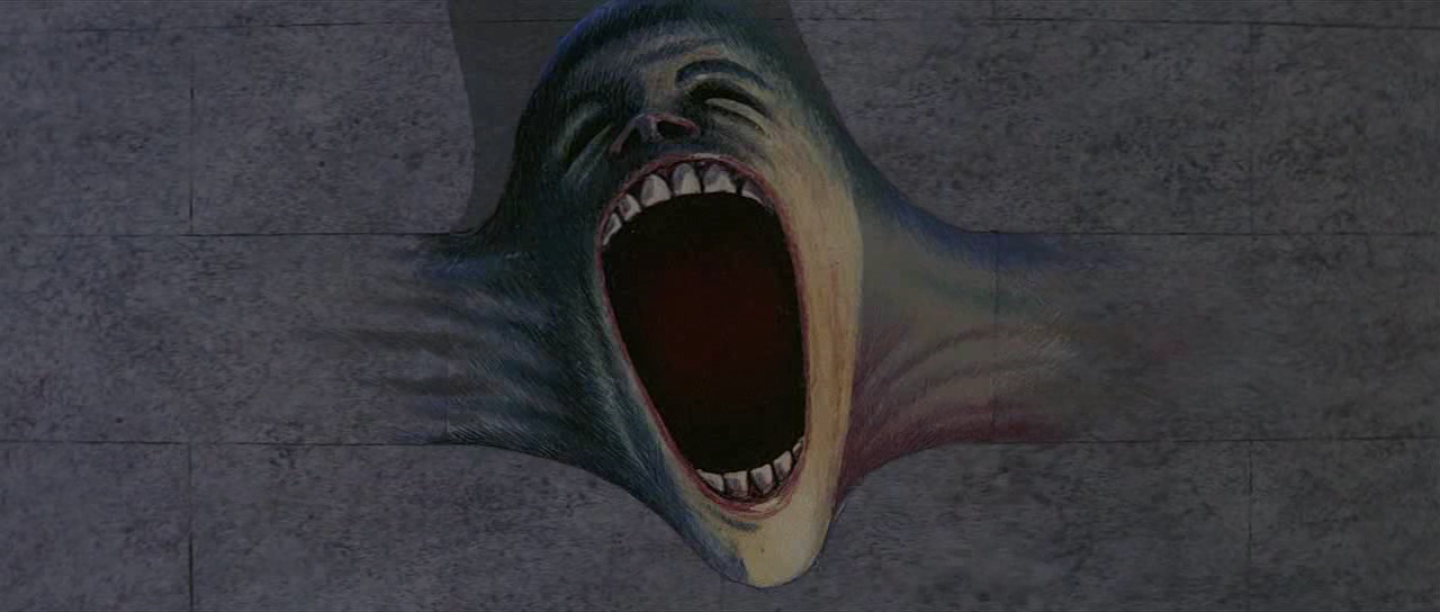
The pain is so unbearable that there is only one way out. You numb your feelings enough to survive, to go through your life weathering the storm as best as you can. You put on a mask and learn to pretend that you’re OK when you’re anything but. You daydream about running away but can’t quite figure out where you’d go. You build a wall around your very soul and you don’t let anyone penetrate it, because you are certain that they will be so disgusted by what they see inside that you just can’t bear the thought. So you never talk about anything substantial with your friends, your siblings or your parents. You become a stranger to everyone in your life. You wear the mask. You become the mask. You become comfortably numb.


There’s a beautiful Oscar-nominated Irish animated movie called Song of the Sea, in which a boy named Ben discovers that the fantastic world of legendary mythical creatures from the stories his disappeared mother used to tell him when he was little are true, including the fact that his sister Saoirse is a selkie — a mythical creature with a woman’s body on land that turns into a seal in the sea — just like his mother was. There is an Owl Witch named Macha who helps you escape your pain by taking away your negative feelings and bottling them up — literally — in jars. But there is a hefty price to pay. The more you bottle up your feelings, the more and more numb you become, until you turn into stone.

In the movie, the giant Mac Lir’s heart was broken, and the pain was so intense that he cried an entire ocean. In order to save him from the pain, his mother Macha the Owl Witch took away his feelings, and turned him into stone. Thus, he became the island which can be seen from the lighthouse where Ben lives with his family. I became the stone giant. The pain was just too much to bear. I resigned myself to the idea that I would never know love. I would always be alone.

Thus I lived my life; the great pretender. I was social enough. I hung out with my friends from college, while my parents—or anyone else in my life, for that matter — never suspected there was anything wrong with me. I became so adept at wearing my mask and hiding my feelings.
Until one day someone you’ve known for a while does something unexpected and tells you she has feelings for you in a quite unconventional way. And you freak out. And you freeze. So you don’t react. You do nothing. It’s just too scary and you’re too afraid to move.
You’ve already given up on being normal, or even a ‘normal gay guy’. But you wonder, and you ask yourself. If I was normal. If only. Sure, you have some girl friends (not girlfriends) and you like them enough—as friends. In that kind of awkward friendship you can build with someone when you’re constantly wearing a mask and checking that the fortified walls around your soul are properly manned to protect you from assault. You’ve never been attracted to them. Not that way. Not the way a guy your age is supposed to be attracted to a girl. Not the way your friends talk about the girls they’re attracted to. But you do like them. And you realize there’s someone you like a little differently, a little more. She’s the one that you think about when you think “if I was normal”. Because she’s an amazing human being, the kindest heart you’ve ever known. And she happens to be the one that shakes your entire world by telling you about her feelings for you. What do you do? How do you react? You try to pretend like nothing happened and you do nothing. You’re literally too scared.
Until something happens and you just can’t hide anymore. You can’t hide from her. You can’t hide from yourself. So you have to meet up with her. You tell her you like her, but you’re unsure if you’re even capable of loving someone. You tell her that you hate yourself, even if you can’t say why, and that you find it hard to believe that anyone would want to be with you. But she tells you that she sees something in you, even though you’re largely a mystery to her — as you are to everyone in your life. She can sense the pain, though she doesn’t know exactly what it is, and has no idea where it comes from.
You don’t want to lie to her. You really don’t. You don’t want to hurt her. She says she wants to know you, but you know you can’t let anyone know you. Notthe real you. You can’t let them penetrate that wall. It would be… no — you just can’t. You never even think about it at a conscious level. You just know it’s impossible. You don’t even make a decision. It’s not even an option. But you try. You really want to be normal, so you try to be normal. And it hurts. Being in a relationship with someone is scary when you have never let anyone come close to you before. When — in addition — you have a secret as terrible as this one, it’s even harder. When you have numbed your feelings so much that you don’t even know what you feel, how do you express them?


And she helps you, and you learn to open up, little by little. But you keep that secret hidden, because you don’t know otherwise. Because that’s just what you do. Who in their right mind would do any different? And you start to build something. A family. And they’re all that you’ve ever done that is good, or so it feels to you. But you’re still comfortably numb, it’s too scary and painful to feel. You’re not in denial — you know well what you are. What you’re attracted to. You just haven’t named it. It’s just there in the back of your mind, and you ignore it, even though you notice it every day. And time goes by. The months turn into years; the years into a decade. I lived my life in lethargy. In an emotional auto-pilot.

Ithappened unexpectedly, the awakening. I was traveling for work when, back in my hotel in the evening, I came across a YouTube video by James Cantor talking about pedophilia. How? Why? I don’t even remember what led me to it. The Pedophile’s Brain. Yeah, of course I’ve heard that word before. So why had I never thought of myself as… that? It hit me like a truckload of bricks. My memory is hazy afterwards. I don’t know how that led me to an article, and then another article. And one of those articles led me to theVirtuous Pedophiles website.


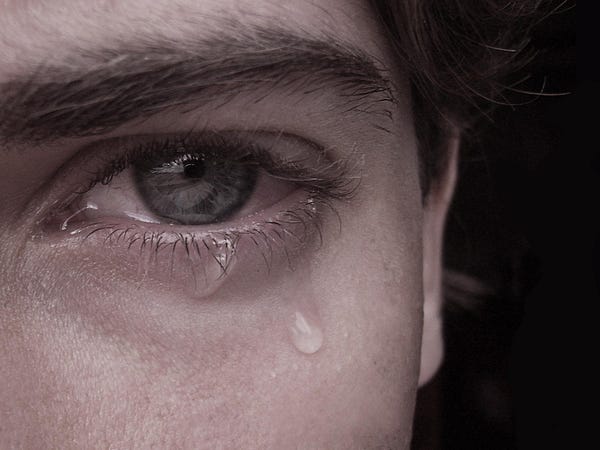
I sat there in my hotel room, reading the stories of other people like me featured on the main page. People struggling with the same pain. And suddenly tears are rolling down my face. I fill in the contact form to access the peer support forum, but it takes some time to get a reply. My mind is racing. The next morning I catch a flight home. I spend the entire flight crying. I think about getting back to a wife who doesn’t know her husband; children whose father will never be able to let them know him. How could I do that to them? It’s not fair. She doesn’t deserve this. They don’t deserve this. But what can I do? This is what I am. This is who I am.
I get home, and I have to keep wearing my mask. Thank God I can do this so well. So many years of practice. I can’t let her see the turmoil inside, lest she asks. I finally get access to the VirPed support group, and I introduce myself. I refer to myself as a pedophile for the first time in my life. I cringe. The welcome is soothing. They get it. They understand. I get involved, receiving support and at the same time giving it to other members, new and old. Giving is more healing than taking. And quite soon it happens. You hear people telling stories of how they came out — or were outed — to their loved ones, and how they were accepted, forgiven — if necessary — and supported. Wait, what?Is this really possible? Can one say this about oneself, and not be rejected automatically? I also hear some horror stories about just that; unfortunately not everyone can be so understanding and accepting. Unconditional love exists, but there is no guarantee.


Thus the urge starts to grow. Should I tell her? I want to tell her. How will she react? Will she be able to forgive me? Will I lose her? Will I lose my children?The numbness is gone. Everything hurts now. I cry easily. Way too easily. Hiding that something is really wrong with me becomes harder than it’s ever been. The burden is so heavy now. It weighs me down. I wouldn’t know until later that these are symptoms of clinical depression. But I somehow keep battling it out of sheer willpower for several months, while I struggle with the decision of whether I should or should not tell her. I have many reasons to, but are they the right ones? Is it just because I want my conscience to be clean? Because I want to feel better? Because I can’t bear the pain of carrying this burden by myself any longer? I have many reasons not to. Good reasons. I don’t want to lose them. I don’t want to place my burden on her. I convince myself, several times, that the risks outweigh the benefits.
I keep involved in the VirPed community and I start building friendships. These are strangers from the internet and somehow they know me better than anyone ever knew my in real life, including my parents, siblings or wife. There are no barriers with these people; no masks. They understand, and they’re there for you when you need them. You’re there for them when they need you. You take great solace from being able to help them, and they accompany you through this difficult time. They help you put things into perspective and ultimately become instrumental in you making the toughest decision you’ve ever had to make in your entire life.
It started as a therapeutic exercise. A letter. I didn’t plan on giving it to her. It took months to write, and many tears were poured over it. Many late night conversations with my friends on the forum. Many sleepless hours at night lying by my wife’s side in bed, wondering what would happen. Praying. Dreading.


One night, after yet another business trip, I knew it was the time, and I gave her the letter after the kids were asleep. Instead of having a nervous breakdown while she read it as I had imagined countless times, I felt an inexplicable calm. And cold. I was waiting somewhere else in the house, and when I heard her footsteps coming towards me, that’s when I crumbled and started to cry. We hugged, very tightly. She was crying too. I’m sorry. It’s all I can say. I’m sorry. The mask was off. For the first time in my life, someone knew me. All of me.
There’s a lot of tears. Some tough questions. And a lot of love. Unconditional love. There’s forgiveness, and acceptance. Acceptance feels like such a balm. It’s hard to describe. Like after-sun lotion on skin burned by a summer sun.

Ireally am a different person now. It hasn’t been easy. She’s been incredibly understanding, sympathetic and supportive. I definitely do not deserve her — and yet here I am. It’s hard to cope with this knowledge, for both of us. For me, knowing that someone knows this part of me that has remained a secret for so long. For her, well, it’s kind of obvious.
She encouraged me to seek some form of in-real-life support, and I started seeing a therapist, which has been incredibly helpful. No, she wasn’t expecting to cure me, and neither was I. But being able to process of all those repressed feelings from so many years back has been incredibly liberating. My therapist has been amazing. I’ve also been taking medication, which has helped with the depression, and I’m doing much better.


I never needed therapy to know I couldn’t act on my attractions. It was never even an option for me. No one had to ever tell me it was wrong, it just felt wrong. Even growing up when I was still a teenager, it was just something that never even crossed my mind. I don’t need therapy to not be a danger to children. I never have. And I don’t need therapy to ‘cure’ me, because it just can’t.
Therapy has helped me accept myself. Accept that I am what I am, and that I am a worthy human being. In fact, I’m probably a better human being because of it. Because if I wasn’t like I am, perhaps I’d be more intolerant towards others. Being part of a hated minority does give you some perspective on things. Before all of this, though, I don’t think I had accepted it. I had resigned myself to it, if anything. But that’s not the same thing.


As a practicing Catholic, I also sought support from a priest I knew. I came out to him shortly after, and he has been incredibly supportive and understanding. His acceptance has meant a lot to me at a personal level. He also helped me understand that if I am the way I am it’s because God has wanted me to be this way. I can’t fathom why, but it does bring me comfort. God has not only made me this way, but he loves me and accepts me just as I am. And He will never turn His back on me. Many people of faith will say that I ought to pray every day to be rid of this condition, to be ‘healed’. Pray the pedo away. And if I don’t succeed, it’s because my faith wasn’t strong enough. Perhaps it isn’t, but I just don’t believe things work that way. My priest has helped me realize that the real miracle here is what’s happened in the last two years. That I am able to accept myself fully. That my wife was able to accept me and forgive me. And that we can continue to be together, building our family, building our future and that of our children.
That is all I ever needed. All I ever wanted. To be known. To be accepted. To be loved. For real. Not the me with the mask, but the me behind the mask. The hurting me. The vulnerable me.


Posted by TNF 13 at 6:13:00 AM No comments:
Email ThisBlogThis!Share to XShare to FacebookShare to Pinterest
Labels: Attitudes, Beliefs, Empathy, How to help, Pedophile, Pedophilia, Prevention, Support system
Older Posts Home
Subscribe to: Posts (Atom)

Blog Archive

  • ▼  19 (1)
    • ▼  02 (1)
      • Helping Others Understand Pedophilia Effectively
  • ►  18 (1)
    • ►  01 (1)
  • ►  17 (35)
    • ►  12 (1)
    • ►  11 (1)
    • ►  10 (1)
    • ►  09 (2)
    • ►  08 (2)
    • ►  07 (3)
    • ►  06 (10)
    • ►  05 (6)
    • ►  04 (4)
    • ►  03 (2)
    • ►  02 (1)
    • ►  01 (2)
  • ►  16 (23)
    • ►  12 (1)
    • ►  11 (3)
    • ►  10 (1)
    • ►  09 (1)
    • ►  08 (3)
    • ►  07 (1)
    • ►  06 (7)
    • ►  05 (1)
    • ►  04 (2)
    • ►  03 (1)
    • ►  02 (2)
  • ►  15 (1)
    • ►  05 (1)
Follow @TNF_13 on Twitter!
Follow @TNF_13 on Medium!

Contact Form

Name

Email *

Message *

Pageviews

For great dragon and fantasy themed digital artwork, visit Dracarian on Deviant Art!

Wikipedia

Search results

Internet Safety and Security

This is a public site. I have not been contacted by law enforcement regarding this blog. However, anyone who has access to your computer can view your browsing history fairly easily unless it is cleared. It is also possible for a knowledgeable person to hack wireless networks. While I do not encourage keeping secrets, I recognize that some people struggling with these issues might need added protections. If you are looking for help for yourself but need extra security and privacy for peace of mind, Mozilla with the Blur (formerly known as Do Not Track Me), HTTPS Everywhere, Adblock Plus, and NoScript add-ons will give you privacy and security tools, and they are free. Other options include the use of virtual private networks (VPN), which can sometimes cost money.

Search This Blog

© 2015-2017 TNF 13. Simple theme. Theme images by gaffera. Powered by Blogger.